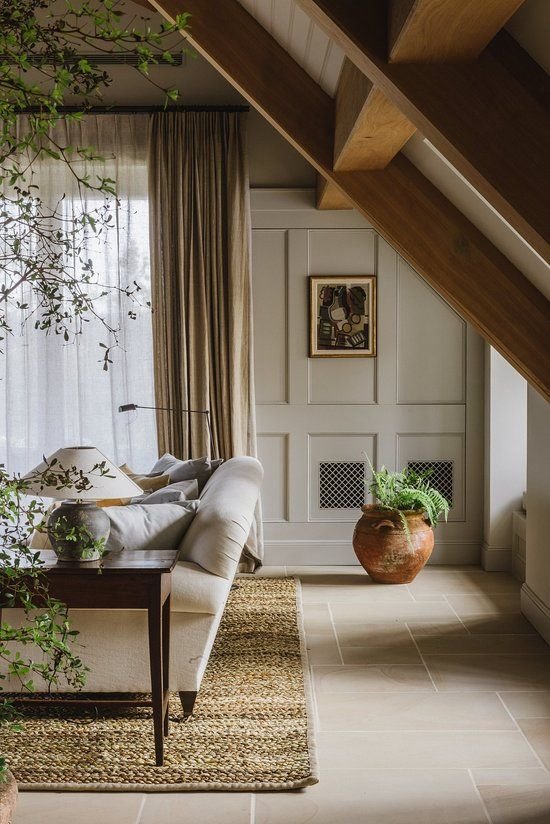
What European Holiday Homes Get Right About Creating Atmosphere
Denise Jadd
There is a meaningful difference between a room that is decorated and a room that feels transformed.
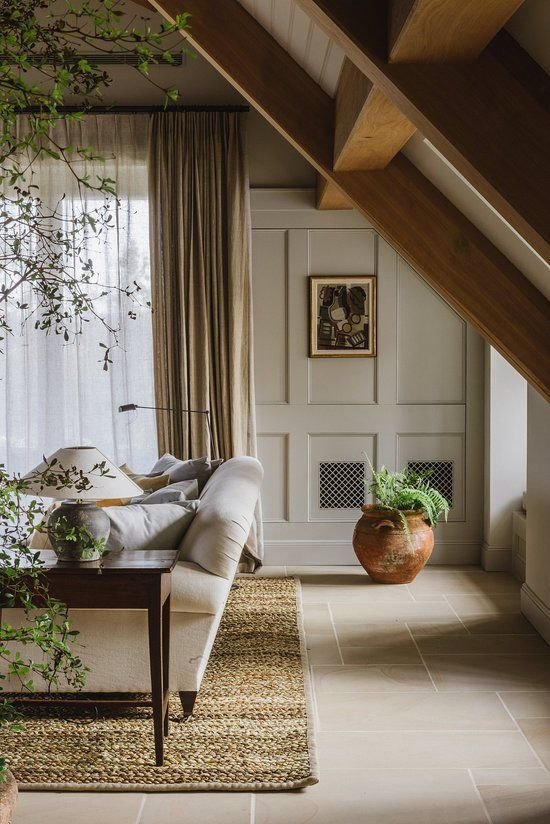
Atmosphere is created through intentional layers of natural material, softened light, greenery, and visual quiet that make a room feel welcoming before anyone enters.
One may be filled with beautiful objects, seasonal color, expensive ornaments, and thoughtful finishing touches, yet still feel visually busy or emotionally flat. Another may contain only a few candles, a branch of greenery, a well-set table, and softened lighting, but it invites people to linger. It feels warm before anyone sits down. It creates anticipation before the evening begins.
The difference is atmosphere.
At Domaine Luxe, we believe atmosphere is not decoration. It is an orchestrated sensory experience. It is created through the relationship between light, material, scale, scent, sound, and visual quiet. It is the feeling that develops when a home is designed not only for how it appears in a photograph, but for how it supports conversation, rest, celebration, and memory.
As the holiday season approaches, this becomes especially important. The goal is not to fill every surface or follow a prescribed seasonal formula. It is to create spaces that feel more inviting, more intimate, and more alive to the rituals taking place within them.
For Palm Beach luxury interior design, atmosphere should feel refined rather than excessive. It should acknowledge the warmth, landscape, and indoor-outdoor lifestyle of South Florida while drawing inspiration from the timeless rituals found in European homes, hotels, streets, and gathering spaces.
Why Some Rooms Feel Magical
A magical room is rarely the result of one impressive object.
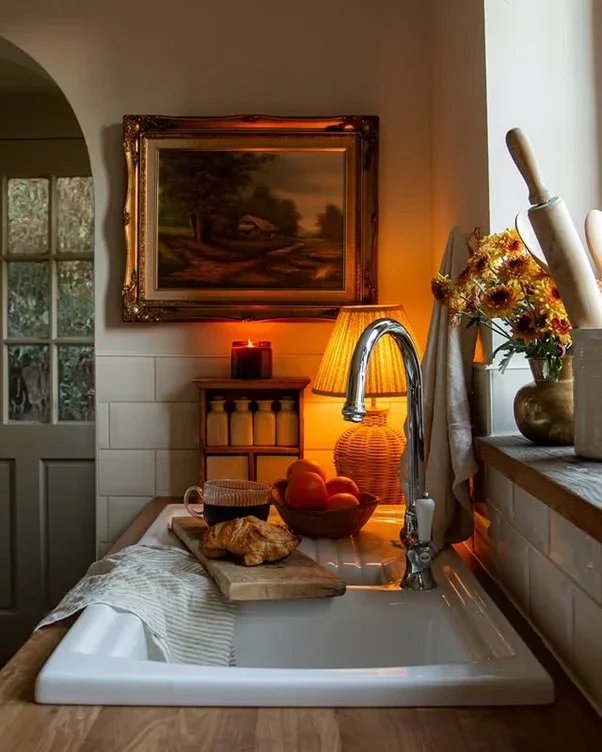
The most memorable rooms are shaped by small sensory details, where warm light, natural texture, candlelight, and everyday rituals work together to create a feeling of comfort and anticipation.
It is the result of many details working quietly together. The light is warm but not dim. The table feels generous without being crowded. Textiles soften the room. Natural greenery introduces life and movement. Music fills the background without asking to be noticed. There is enough visual interest to feel special, but enough restraint to allow people to relax.
This is why atmosphere cannot be purchased as a single item. It is built through composition.
In European-inspired interior design, the most memorable spaces often feel layered rather than styled all at once. A candle is placed near a mirror so its glow is doubled. A branch of greenery softens the edge of an entry table. A lamp creates a pool of light beside a chair. A tablecloth adds softness to a dining table. A room carries evidence of being prepared for people, not merely arranged for display.
These choices create emotional resonance because they appeal to more than vision.
The eye notices the warm glow of a lamp. The hand registers the texture of linen. The body relaxes into comfortable seating. The scent of greenery or a softly burning candle signals that an evening is beginning. The ear catches low music and conversation from another room.
Together, these details create a home that feels considered, personal, and deeply welcoming.
Begin With Layered Lighting
Lighting is one of the most powerful tools for shaping atmosphere.
During the day, natural light establishes the character of a room. In the evening, artificial light takes over. This transition should feel gradual and intentional. A room lit only from above can feel practical, but it often lacks the depth and warmth that makes people want to stay.
Layered lighting creates a softer experience.
For luxury home design in Palm Beach, a thoughtful lighting plan usually includes several sources at different heights. Table lamps create intimacy at seating level. Floor lamps define reading corners and conversation areas. Wall sconces add warmth to circulation spaces, dining rooms, and bedrooms. Decorative fixtures provide sculptural presence. Accent lighting can illuminate art, architectural details, or a display of natural objects.
The most inviting rooms do not need every light turned on at once.
Instead, light should guide the eye and support the way the room is being used. A living room may need only a pair of lamps, a subtle picture light, and candlelight for an evening of conversation. A dining room may feel more memorable with a dimmed chandelier, a few candles at varying heights, and a nearby sconce softly illuminating the walls.
The result is not darkness. It is dimension.
Areas of shadow create visual rest. Warm pools of light make a room feel layered and calm. The eye is naturally drawn to the places where people gather, which gives a large room a more intimate scale.
For Palm Beach residential interior design, this approach is particularly valuable because bright natural light defines much of the day. When the sun begins to set, the home should feel ready to receive the evening rather than suddenly becoming overly bright or visually flat.
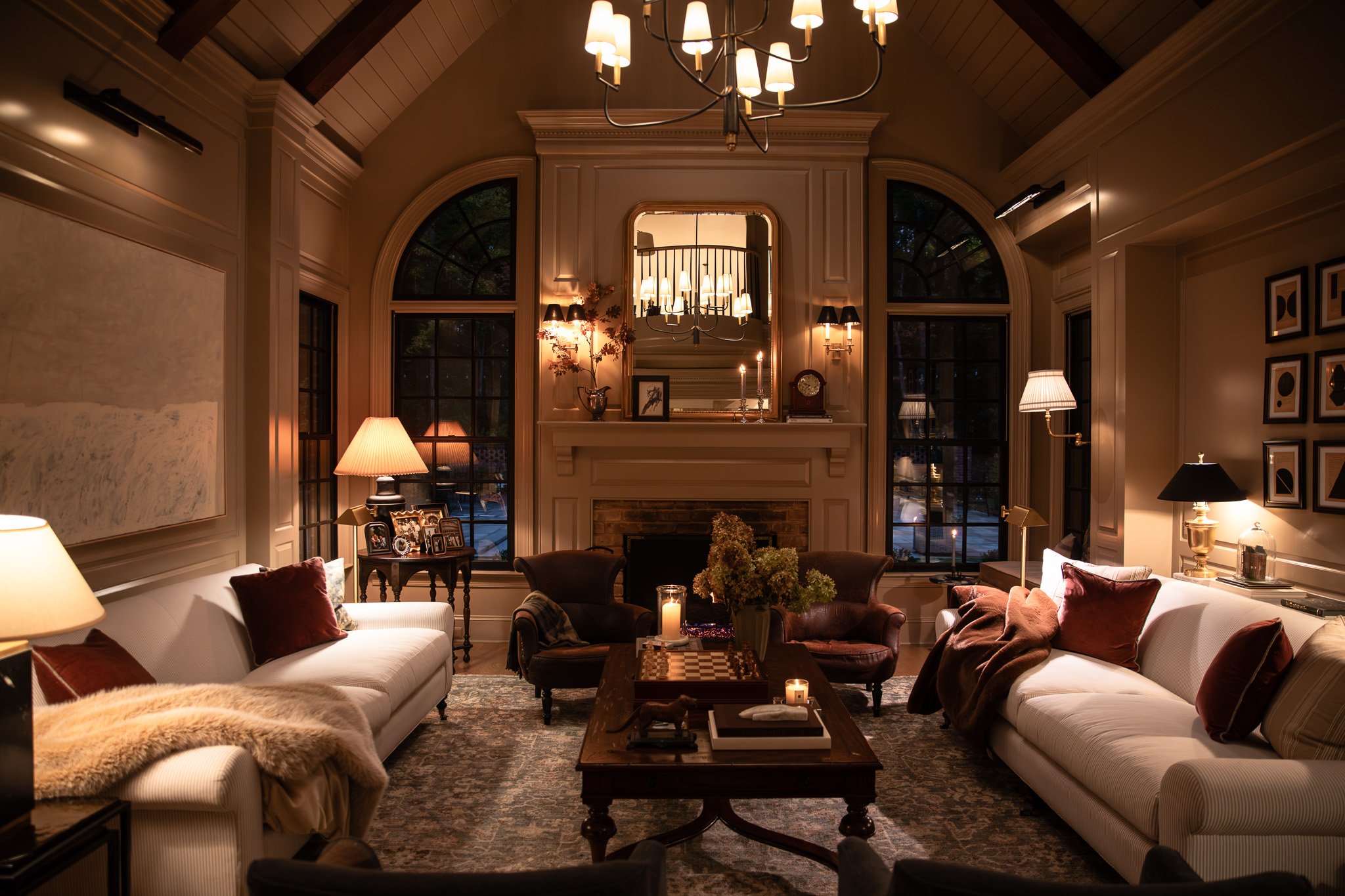
Layered lighting creates depth and intimacy, allowing a living room to transition from bright daytime openness into a warm, inviting setting for evening conversation.
Candlelight Creates Anticipation
Few design elements create immediate atmosphere as effectively as candlelight.
A candle’s appeal is not only visual. Its flame moves. It reflects in glass, metal, and polished surfaces. It creates warmth without taking up much space. It signals a transition from the ordinary pace of the day to something more deliberate.
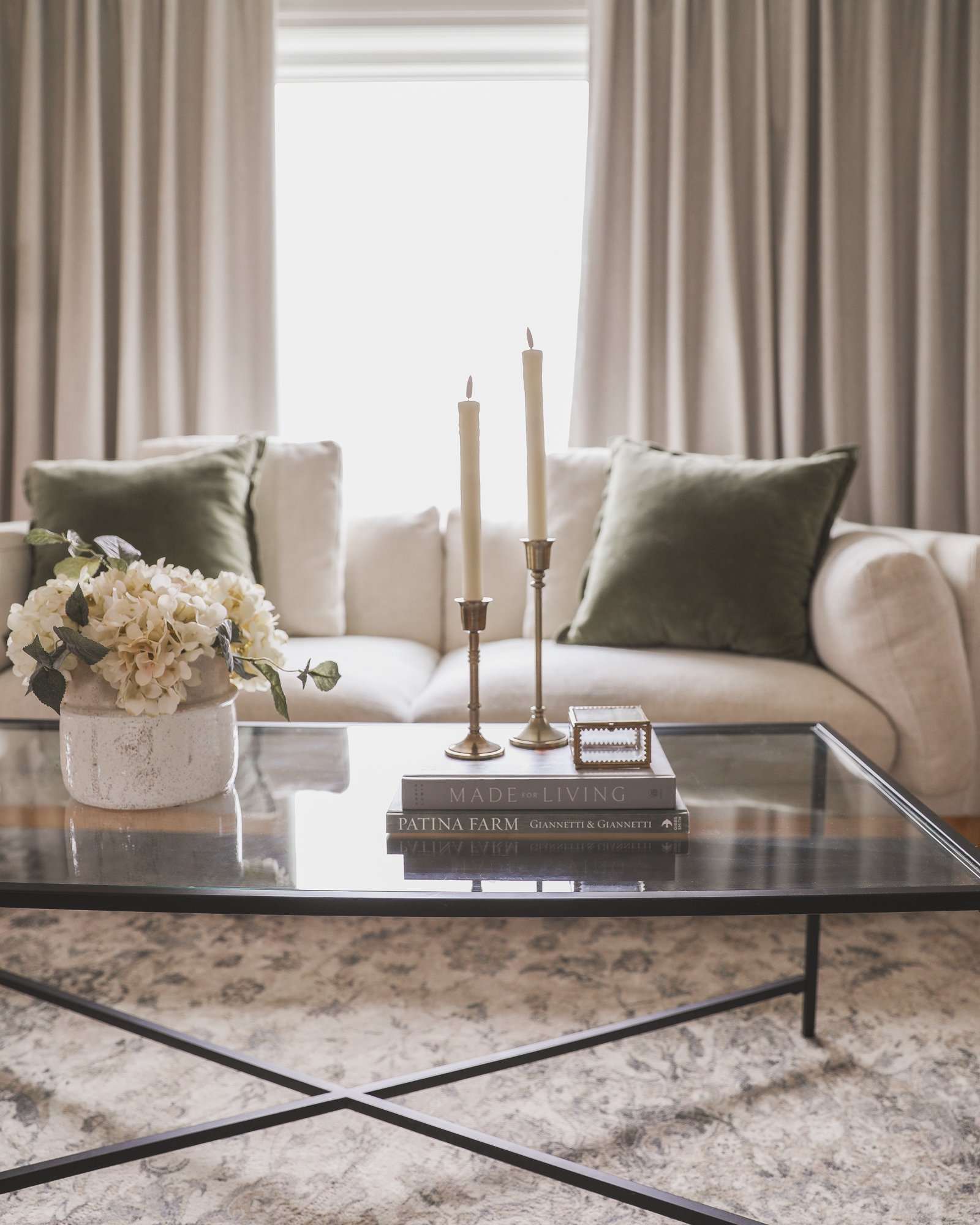
A few thoughtfully placed candles bring warmth and gentle reflection to a room, creating a sense of occasion without overwhelming the space.
Candlelight is especially effective during the holiday season because it creates anticipation. It suggests that dinner may last longer, conversation may deepen, and the home has been prepared for a moment worth noticing.
This does not require an elaborate arrangement.
A small group of candles on a dining table can create warmth while still allowing guests to see one another. Tapers on a mantel or sideboard can create verticality and rhythm. Votives placed near reflective surfaces can add soft sparkle. Lanterns on a covered terrace can extend the feeling of the interior outdoors.
The principle is restraint.
A room does not need candles on every available surface. In fact, too many competing points of light can feel cluttered rather than composed. Choose a few areas where candlelight can have the most impact: the dining table, an entry console, a fireplace surround, a coffee table, or an outdoor gathering area.
Candles should enhance the room’s existing architecture and materials. They are most compelling when they illuminate a beautiful stone surface, a linen tablecloth, a ceramic vessel, or a branch of greenery.
Texture Makes a Room Feel Inviting
Before a guest has touched a fabric or settled into a chair, texture begins to shape their impression of the room.
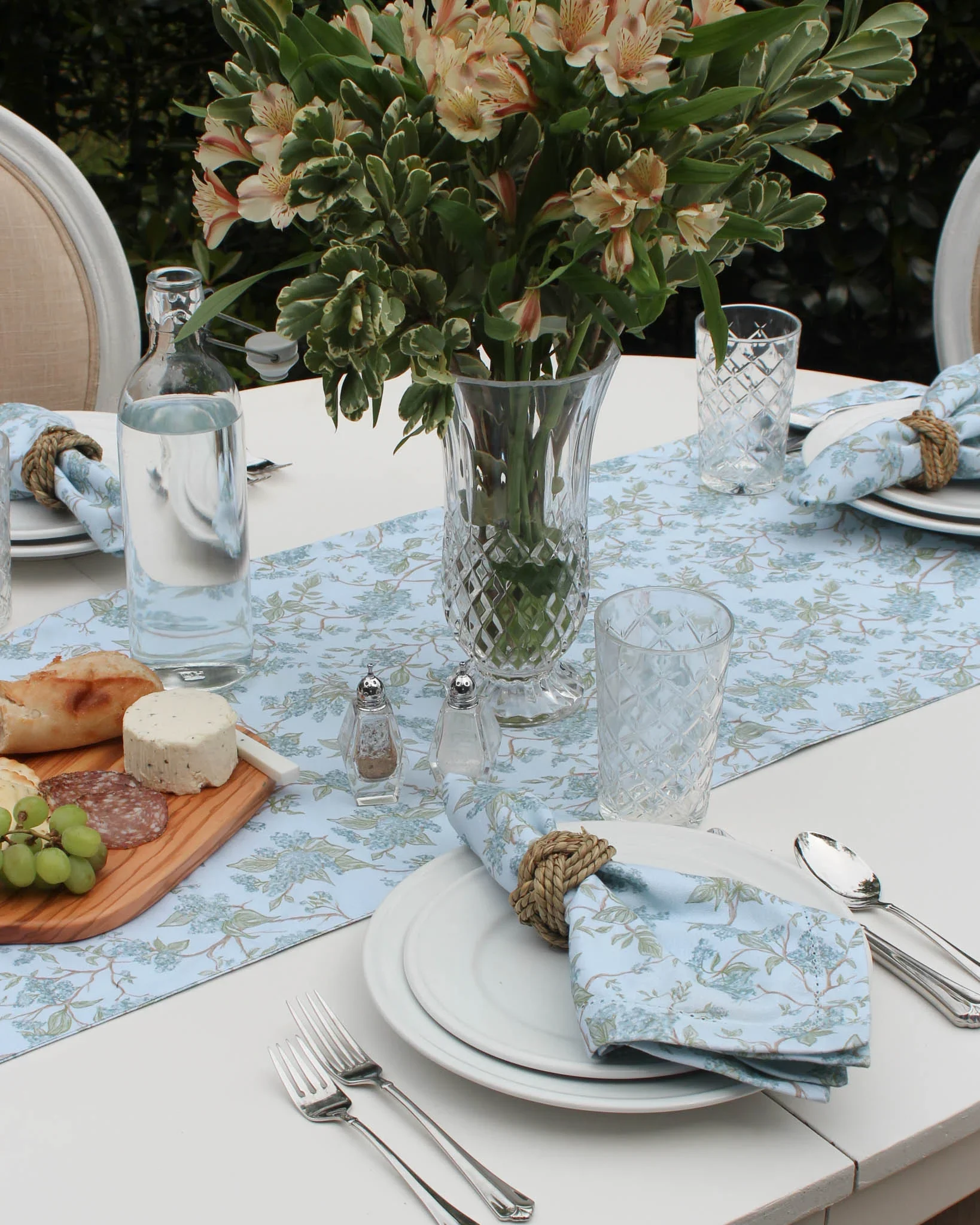
Lightweight layers of linen, woven fiber, glass, and fresh florals bring tactile warmth to a table while remaining effortless for South Florida entertaining.
Texture adds warmth, depth, and a sense of life. It prevents a space from feeling overly polished or visually flat. During the holiday season, it can also create a feeling of comfort without relying on obvious seasonal motifs.
A room may include the crispness of linen, the softness of wool, the quiet sheen of velvet, the grain of wood, the variation of stone, the handwoven quality of a rug, or the irregular form of ceramic. Each material brings a different sensory note.
The goal is not to make every surface soft. The most beautiful interiors balance contrast.
A smooth marble top may feel more inviting when paired with woven dining chairs. A tailored sofa may feel warmer with a textured throw. A polished brass object can bring gentle reflection to a room grounded by matte plaster walls or natural wood.
In South Florida interior design, seasonal texture should feel appropriate to the climate. Rather than turning to excessively heavy fabrics or overtly wintery colors, consider refined layers that maintain lightness. Linen napkins, woven runners, textured pillows, soft upholstery, natural fiber rugs, and sculptural ceramics can all bring warmth without making the home feel disconnected from its setting.
A Palm Beach interior designer considers how materials interact with natural light, the surrounding landscape, and the way a room is used. Texture should not simply look beautiful. It should make the space feel more comfortable to inhabit.
Use Greenery as a Living Element
Natural greenery is one of the simplest ways to introduce seasonal atmosphere, but it is often most effective when used with restraint.
A home does not need to be filled with themed arrangements to feel festive. A few well-chosen branches, an olive wreath, fresh foliage, a bowl of citrus, or a sculptural arrangement in a ceramic vessel can create a stronger impression than an abundance of smaller decorative objects.
The most refined botanical choices feel connected to the home and its landscape.
In Palm Beach, tropical foliage, palm fronds, olive branches, magnolia leaves, citrus, seedpods, and locally available greens can all create a sense of season without imitating another climate. Their shapes and textures become part of the composition of the room.
A large vessel of branches in an entry can create a quiet sense of arrival. Greenery on a dining table can bring softness and movement without blocking conversation. A simple garland on a mantel, styled with candles and an edited collection of objects, can feel more timeless than a heavily ornamented display.
The key is to let the natural material retain its character.
Avoid forcing greenery into overly symmetrical or crowded arrangements. Allow branches to extend, leaves to cast shadows, and natural variations to remain visible. Imperfection is part of what makes natural elements feel alive.
This approach also aligns with biophilic design. A connection to nature can support a greater sense of calm and wellbeing at home. Greenery reminds us of the landscape beyond the walls while bringing texture, scent, color, and organic movement indoors.
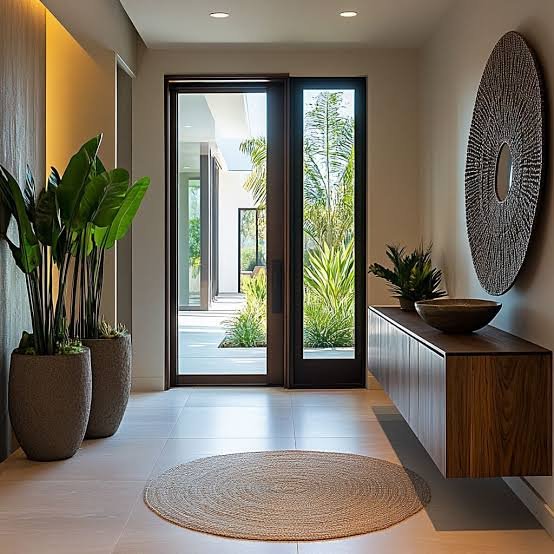
Living greenery creates a quiet connection between the home and its landscape, bringing organic texture, calm, and a sense of arrival to an entry.
Scent Should Be Felt, Not Announced
Scent has a powerful relationship to memory.
A particular fragrance can recall a home, a dinner, a holiday gathering, or a place visited years before. Because scent is so immediate, it should be approached with care. The most luxurious homes do not overwhelm the senses. They create a subtle, layered impression.
During the season, natural greenery may provide enough fragrance on its own. Fresh pine, cedar, eucalyptus, olive, citrus, or herbs can give a room a quiet sense of freshness. A candle can add warmth, but it should not compete with food, flowers, or conversation.
Consider scent as part of the overall mood of the home.
A dining room may benefit from a restrained, low-fragrance candle before dinner, then no added scent once food is served. An entry may feel welcoming with a fresh botanical arrangement or a lightly fragranced candle. A bedroom may call for something softer and more restorative, such as a subtle linen, wood, or botanical note.
The best choice is rarely the strongest one.
As with lighting, scent should support the atmosphere without drawing attention away from it. When a home feels welcoming, people may not be able to name every reason why. Scent is often one of those quiet details working in the background.
A welcoming home is shaped by subtle sensory layers, where natural materials, soft light, and a restrained botanical note create comfort without overwhelming the room. A seasonal yet natural scent adds a fall feel.
Reflective Surfaces Add Depth
Reflective surfaces have a particular role in seasonal atmosphere because they interact so beautifully with warm light.
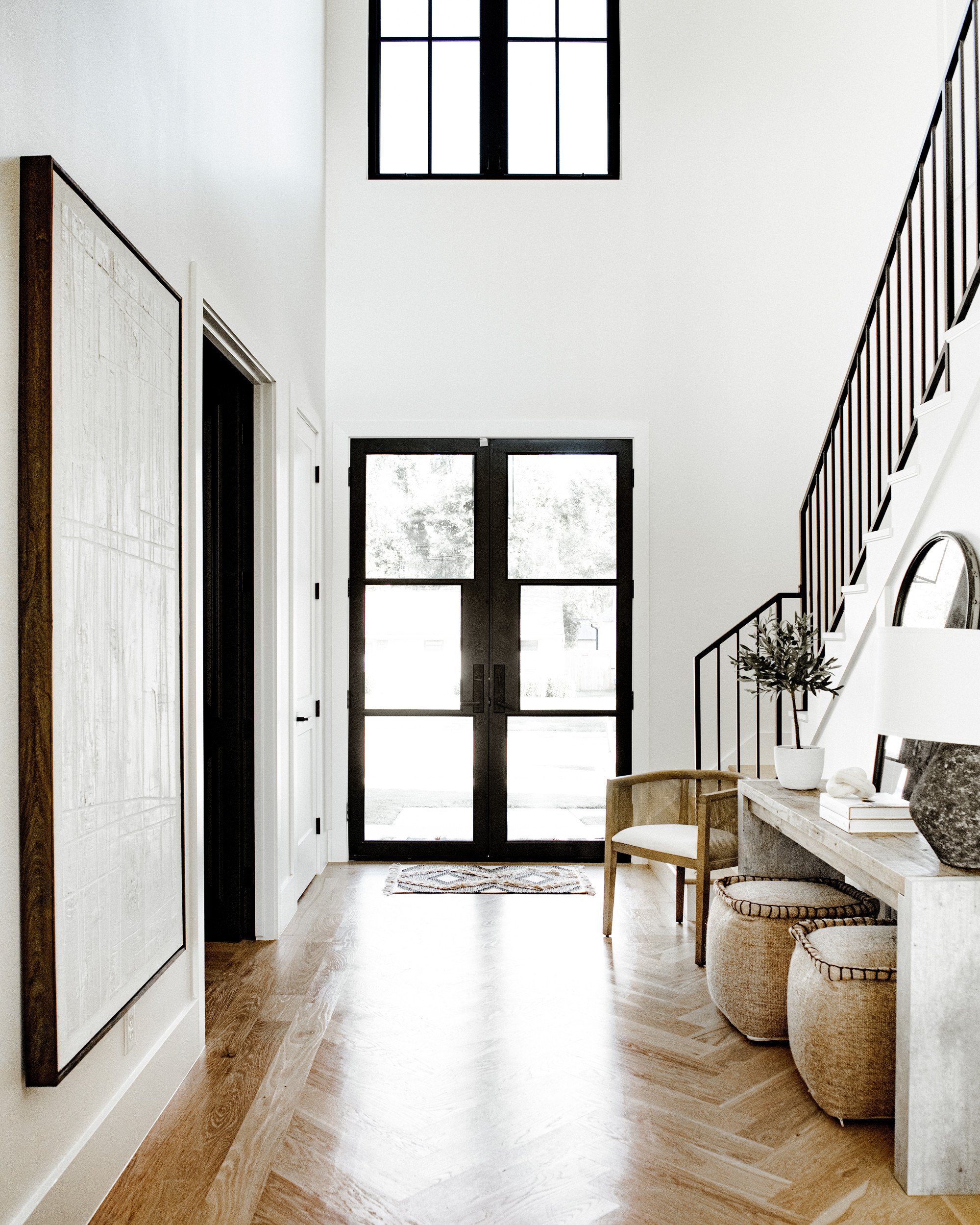
A mirror, polished stone, and softly reflective accents bring light and visual depth to an entry while natural textures keep the composition warm and grounded.
A mirror can multiply the glow of a lamp or candle. Antique brass can bring a soft, aged reflection. Glassware can catch and scatter light across a table. A polished stone surface can make a room feel subtly more luminous after sunset.
These effects are especially compelling in a dining room or entertaining space.
A dining table with glassware, candles, and a few reflective accents can feel celebratory without becoming overly formal. A mirror placed thoughtfully near a console or fireplace can extend the visual depth of a room. A brass tray, metallic vessel, or glazed ceramic piece can introduce a gentle sense of light even in a neutral palette.
An important reminder is to use gentle restraint.
Highly reflective finishes used in excess can feel cold or overly glamorous. A well-considered interior balances shine with matte textures: linen, plaster, wood, wool, stone, and greenery. This contrast allows reflective elements to feel special rather than overwhelming.
European hotel interiors often demonstrate this balance beautifully. They may use a mirror, a polished stone tabletop, or a brass lamp to catch the evening light, while grounding those reflective notes with upholstered seating, aged wood, natural textiles, and restrained color.
This is a useful approach for luxury entertaining spaces in Palm Beach. The luxury home design Palm Beach home can feel elevated and festive while remaining calm, livable, and personal.
Scale and Visual Quiet Matter
A room can feel overdecorated not because it contains too many beautiful things, but because those things compete with one another.
Atmosphere requires visual quiet.
Visual quiet does not mean minimalism or emptiness. It means allowing space around important elements so they can be appreciated. It means choosing one generous arrangement rather than several small ones. It means editing a table so the candlelight, flowers, and table setting have room to breathe.
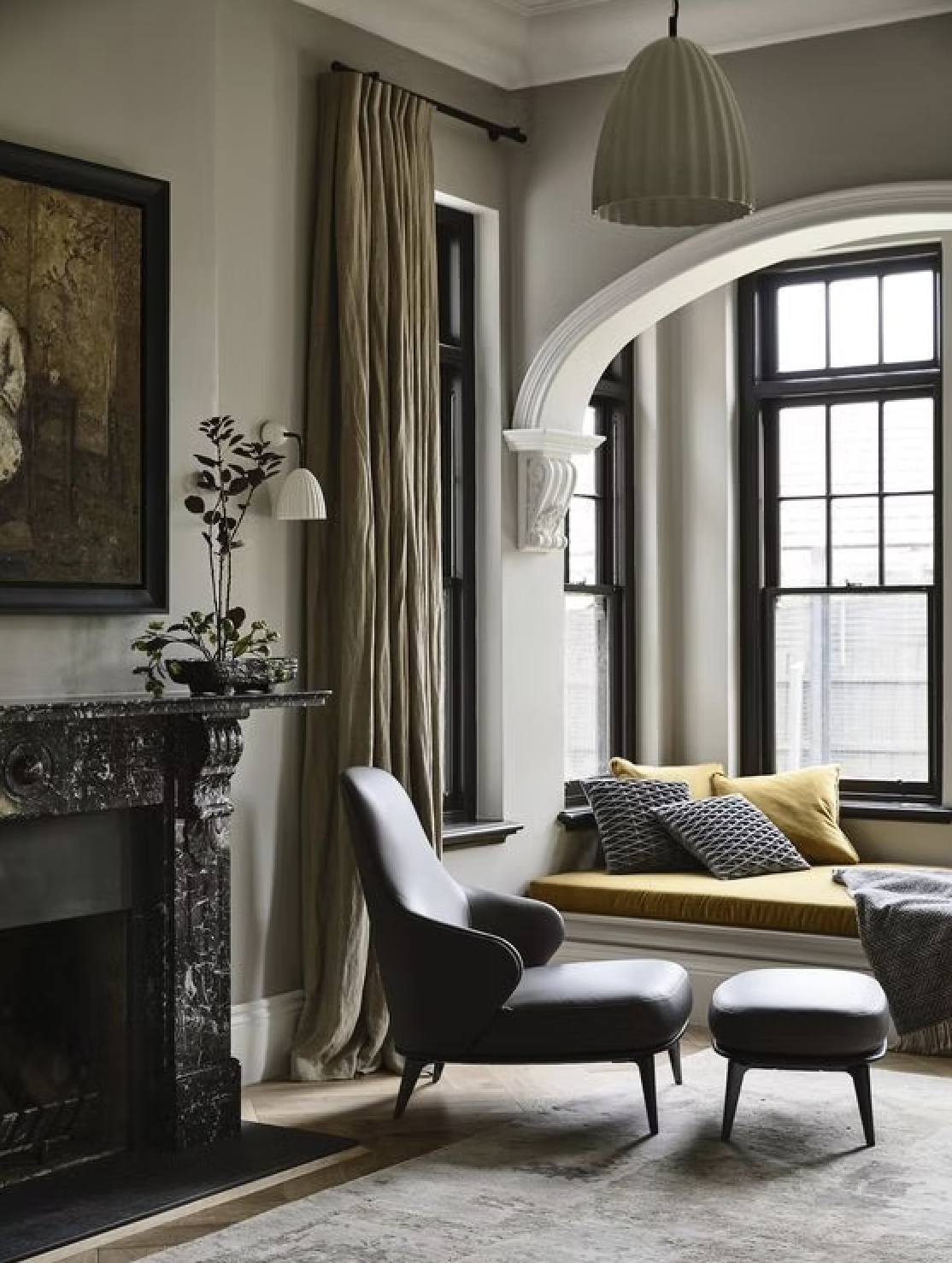
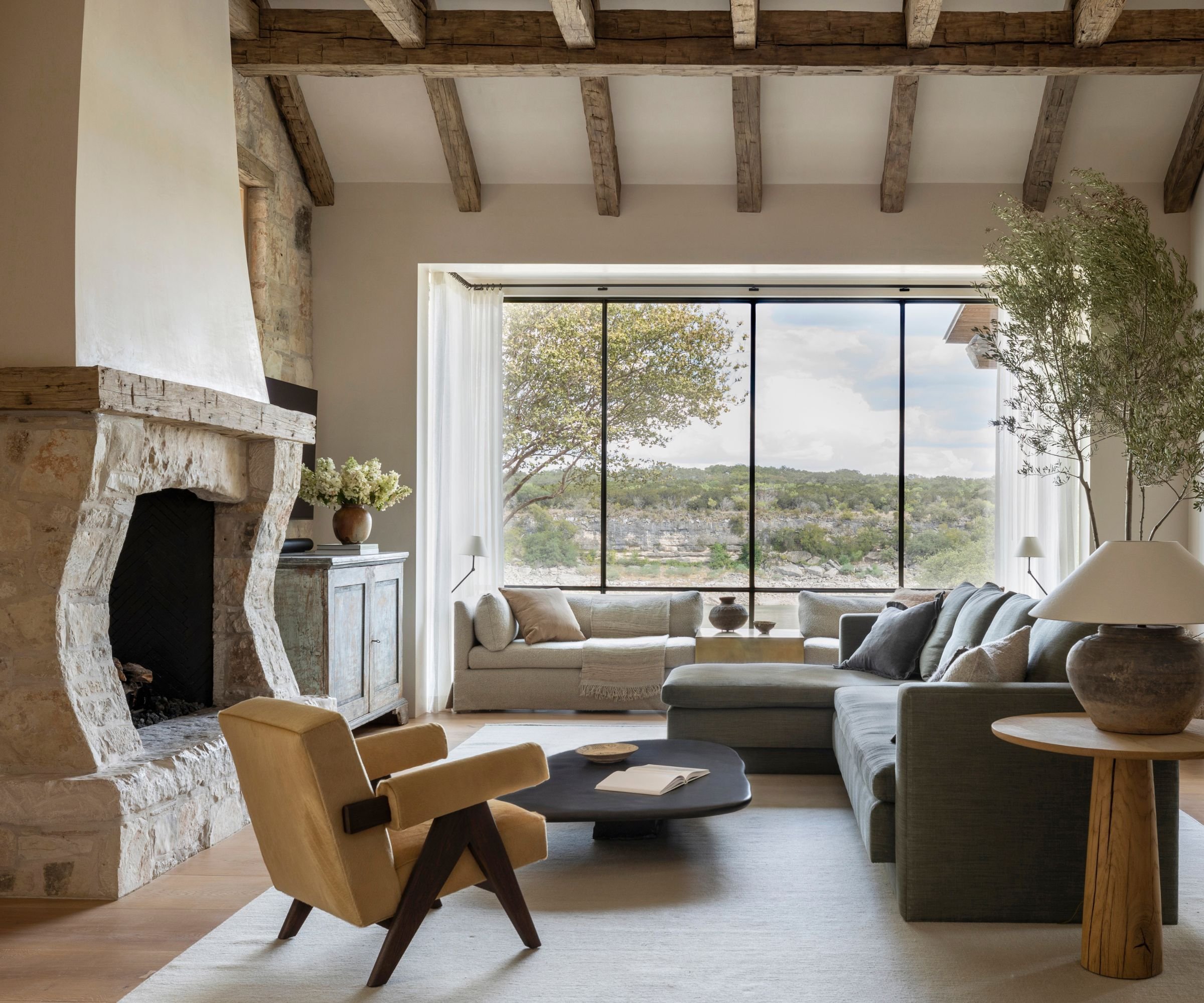
Visual quiet comes from thoughtful scale and restraint, allowing architectural details, natural light, and a few well-chosen furnishings to create a calm and lasting impression.
Scale is a major part of this.
A large branch in a substantial vessel may feel more composed than many small arrangements. A single oversized pendant can create more impact than multiple decorative fixtures. A well-proportioned wreath, mirror, or piece of artwork can anchor an entry more effectively than a crowded collection of seasonal objects.
The same principle applies to entertaining.
A dining table should feel abundant, but not so full that guests cannot see or speak with one another. Seating should be comfortable, but not so tightly arranged that movement becomes difficult. A living room should offer enough visual interest to feel special, but enough open space for people to relax.
In neuroaesthetic interior design, visual clarity can support a calmer emotional response. The brain is constantly processing the environments around it. When a room is overly crowded, overly bright, or full of competing visual messages, it can create subtle tension. When a room has rhythm, balance, and intentional pauses, it often feels easier to inhabit.
Luxury is not always more. Often, it is knowing what to leave out.
Sound Completes the Experience
Sound is one of the most overlooked aspects of atmosphere.
The acoustics of a room influence whether people feel comfortable having a conversation, whether a dinner feels lively or exhausting, and whether a large room feels welcoming or echoing. Soft furnishings, rugs, curtains, upholstered seating, and textiles all help absorb sound and make a space feel more intimate.
Music can add another layer.
The best entertaining music supports the mood without requiring attention. It should sit beneath conversation rather than compete with it. A gentle playlist can signal the beginning of an evening, make a kitchen feel more welcoming while dinner is prepared, or add warmth to an outdoor terrace after sunset.
The choice of music should reflect the atmosphere you want to create.
A dinner with candlelight and layered linens may call for something understated and elegant. A casual gathering around the kitchen island may feel better with a livelier but still composed background. An outdoor evening may benefit from music that feels spacious and relaxed.
The volume matters as much as the selection.
If guests need to raise their voices, the music is no longer contributing to comfort. The most successful atmosphere allows conversation to remain at the center.
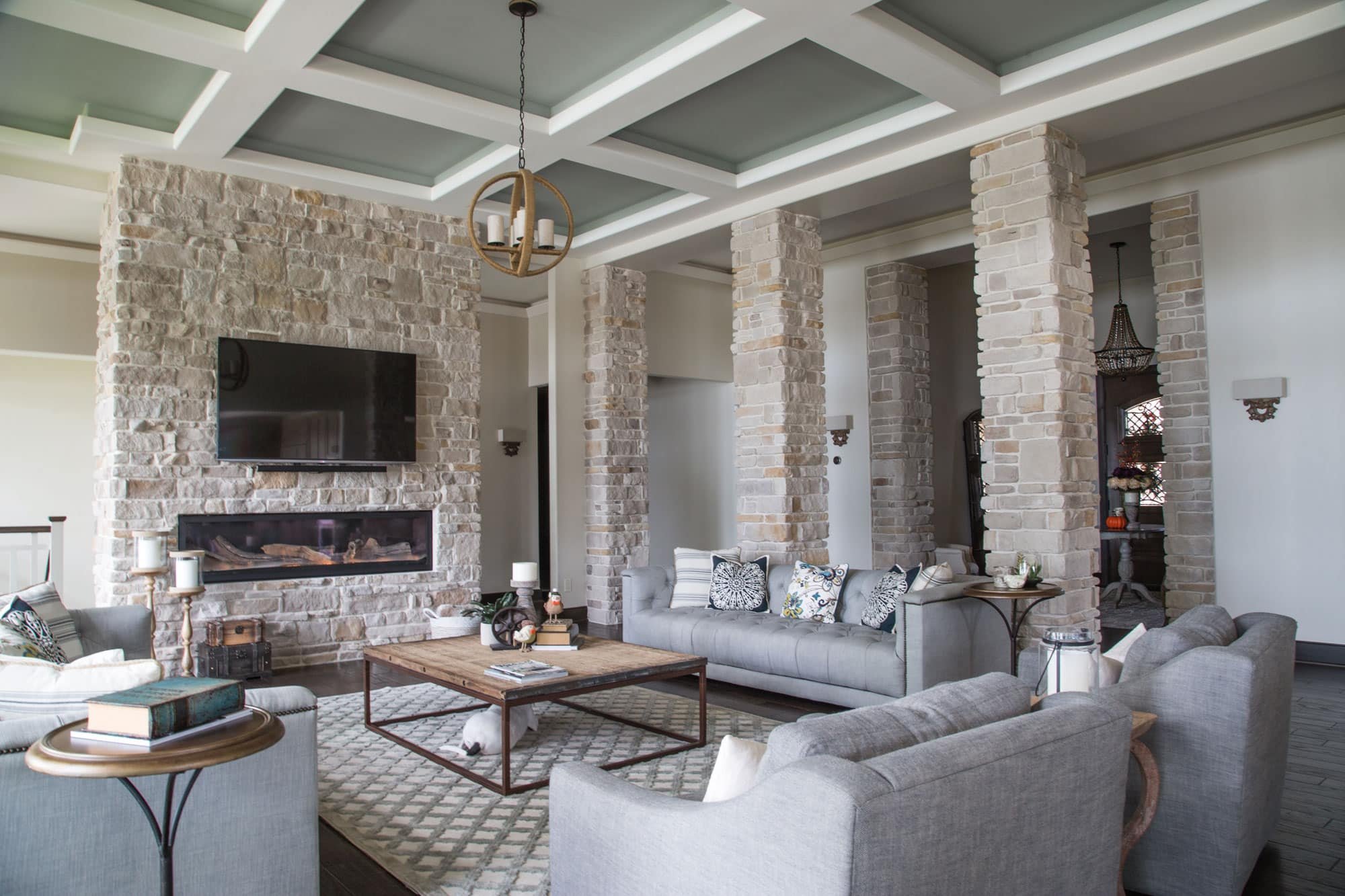
A composed room uses thoughtful proportion, natural materials, and edited layers to feel warm and inviting without relying on excess. Each element has space to be appreciated, creating an atmosphere that feels both elevated and effortless.
The Role of Restraint
Restraint is not the absence of celebration. It is what makes celebration feel more meaningful.
A room can be festive without being visually overwhelming. A table can be generous without being crowded. Greenery can be beautiful without appearing forced. Candlelight can feel special without becoming theatrical.
This is where thoughtful editing becomes essential.
Before adding another object, ask whether it contributes to the experience of the room. Does it add warmth, texture, light, or a sense of occasion? Does it support the purpose of the gathering? Or does it simply fill space?
The most enduring interiors have a clear point of view. They do not rely on excess to communicate luxury. They use proportion, quality, materiality, and atmosphere to create a lasting impression.
This is particularly relevant to luxury home design in Palm Beach. The most successful spaces feel composed and effortless. They reflect the beauty of the surrounding landscape, the brightness of the climate, and the desire for indoor-outdoor living. During the holiday season, that same ease can be preserved through a lighter, more sensory approach to celebration.
Preparing the Home for Gathering
November offers a natural transition from atmosphere to gathering.
As the season invites more dinners, visits, and moments shared at home, the environment should make hospitality feel easy. Guests should understand where to sit. A host should have room to move. Lighting should make everyone feel comfortable. The home should encourage lingering.
Begin by considering the path through the home.
What does someone see when they arrive? Is there a sense of warmth at the entry? Does the lighting guide them toward the spaces where people will gather? Is there a natural place for coats, a drink, or a moment of pause before entering the main room?
Then consider the rooms that support connection.
In a luxury dining room design, comfortable chairs, warm lighting, and a clear view across the table can encourage conversation. In a living room, seating arranged in smaller groupings can make a large space feel more personal. In a kitchen, a thoughtful balance of work space and gathering space can allow guests to participate without disrupting the flow of preparation.
For indoor-outdoor living, the terrace, courtyard, or garden should feel like a continuation of the interior. Lanterns, outdoor rugs, comfortable cushions, and gentle landscape lighting can make the exterior feel just as welcoming after sunset.
A home designed for gathering is not one that performs for guests. It is one that makes people feel at ease.

Meaningful luxury begins with a home that feels connected to its setting, where architecture, landscape, and thoughtful design create a lasting sense of place. It is this relationship between beauty and lived experience that makes a home feel deeply personal.
A More Meaningful Expression of Luxury
The holiday season often brings attention to what is added to the home. More decoration. More entertaining. More activity. Yet the most meaningful luxury may be found in a different direction.
It is found in a room with enough visual quiet to rest in. It is found in the warm light of a lamp at dusk. It is found in a table set with care, a favorite scent in the entry, comfortable seating, and the familiar sound of people talking nearby.
It is found in a home that supports wellbeing.
Wellness interior design is not separate from beauty. It is beauty made more meaningful through comfort, ease, and emotional resonance. A home can be artful and refined while also helping people feel more grounded, restored, and connected.
This is the deeper role of atmosphere.
It transforms the home from a collection of rooms into an experience. It makes ordinary evenings feel considered. It gives gatherings a sense of occasion without demanding perfection. It creates the conditions for memory.
At Domaine Luxe, we design spaces that feel timeless by design and deeply personal in use. From Paris to Palm Beach, our luxury home design approach is grounded in layered light, natural harmony, color with intention, and interiors that support the life within them.
As the season begins, consider what your home feels like after the sun goes down. Notice where the light gathers, where the eye can rest, where people naturally sit, and what small changes would make the space feel more welcoming.
Atmosphere is not decoration.
It is the quiet art of making a home feel alive.